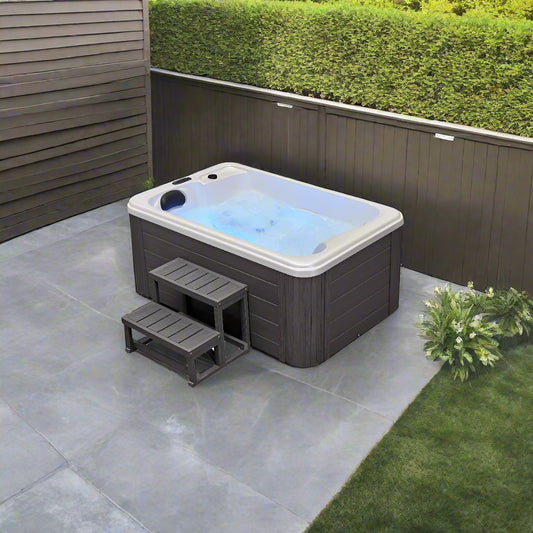
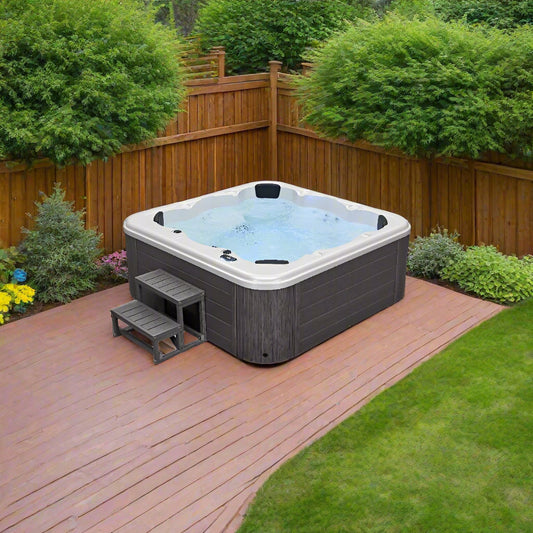
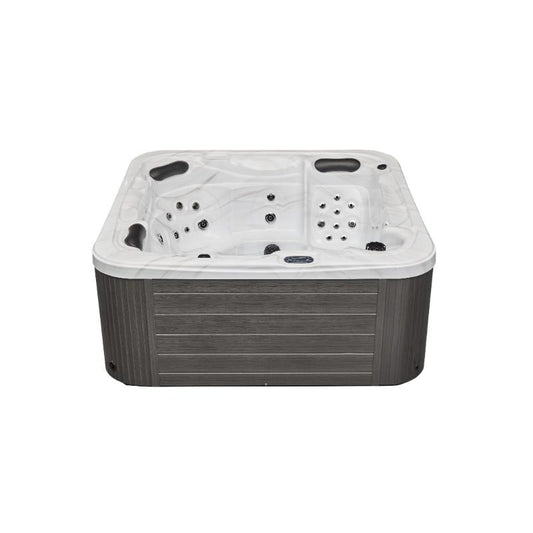
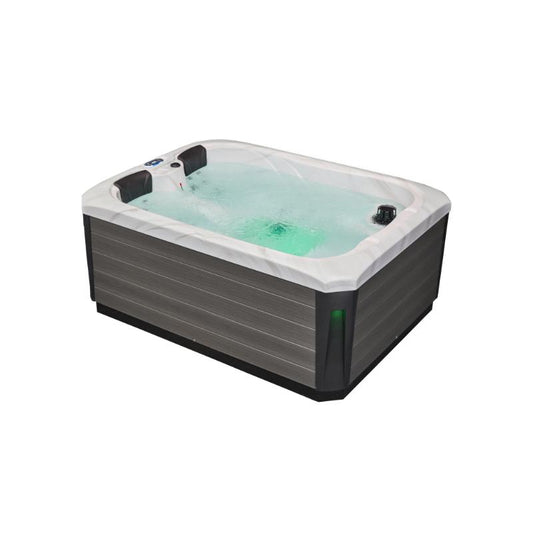
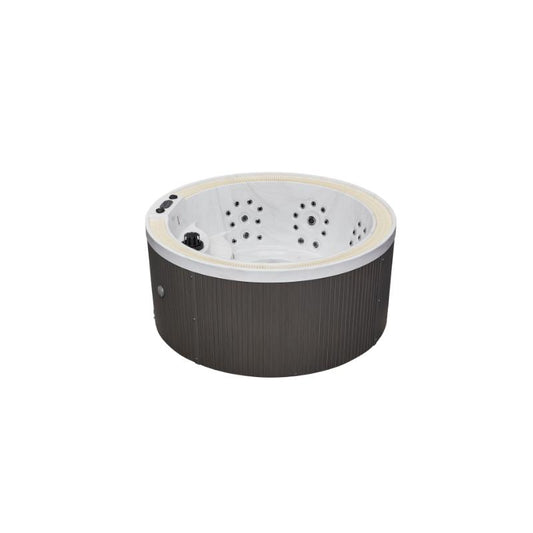
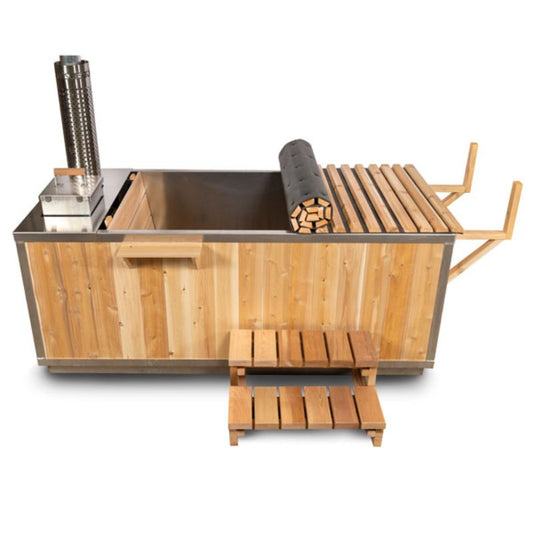
Transform your backyard into a complete wellness retreat with hot tubs designed for relaxation, recovery, and year-round hydrotherapy. Whether you prefer the convenience of modern electric heating or the authentic, off-grid experience of wood-fired soaking, our collection offers options to suit every lifestyle, space, and wellness goal. Pair your hot tub with an outdoor sauna and cold plunge for authentic contrast therapy—the cornerstone of Scandinavian wellness culture.
From compact 1-person models to spacious 7-person spas, and from plug-and-play electric systems to rustic wood-burning designs, this collection delivers professional-grade hydrotherapy for home use.
Electric hot tubs vs. wood-fired hot tubs:
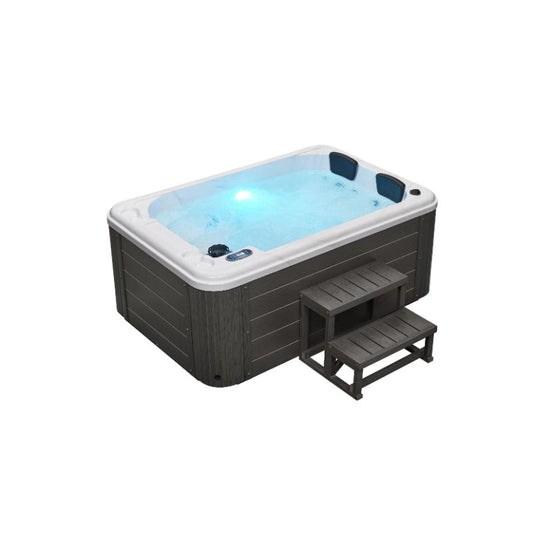
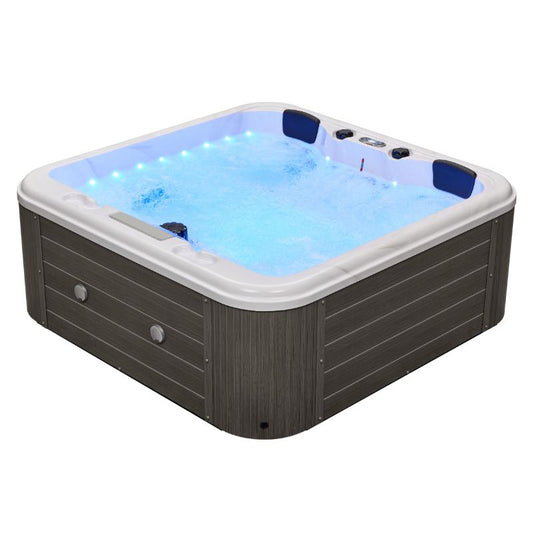
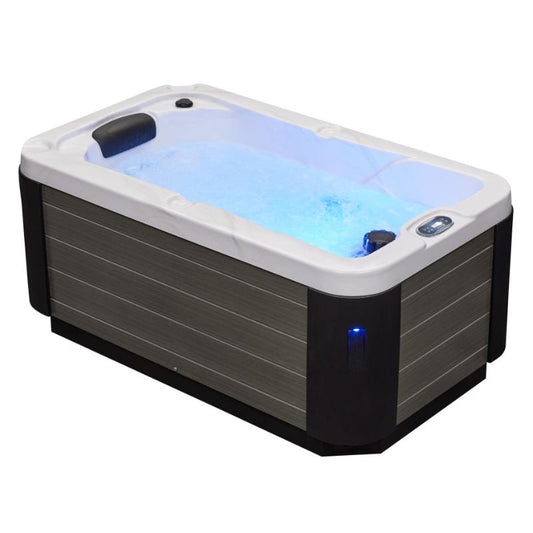
Electric Hot Tubs – Modern, convenient, and feature-rich with digital temperature control, built-in filtration, adjustable jet massage systems, and energy-efficient heating. Most models are plug-and-play (110V) or require simple 240V installation. Ideal for year-round use, consistent temperatures, and minimal maintenance. Perfect for suburban backyards, poolside installations, or pairing with outdoor saunas for contrast therapy.
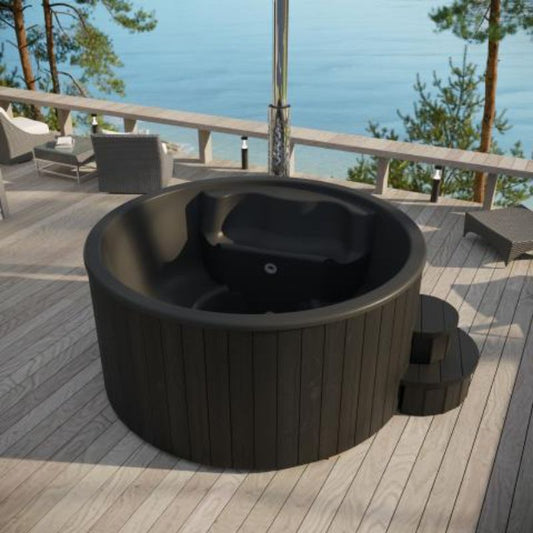
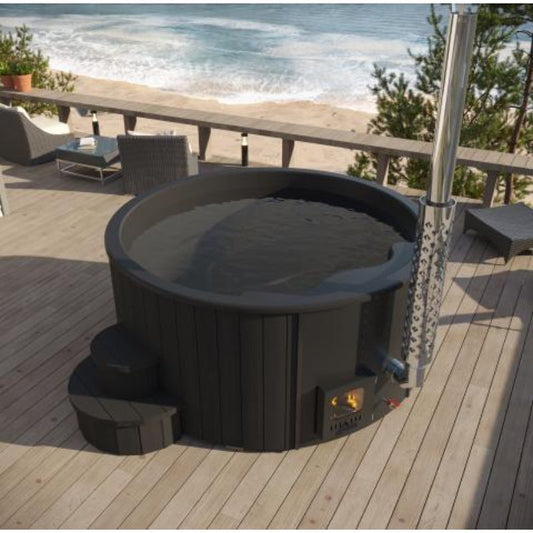
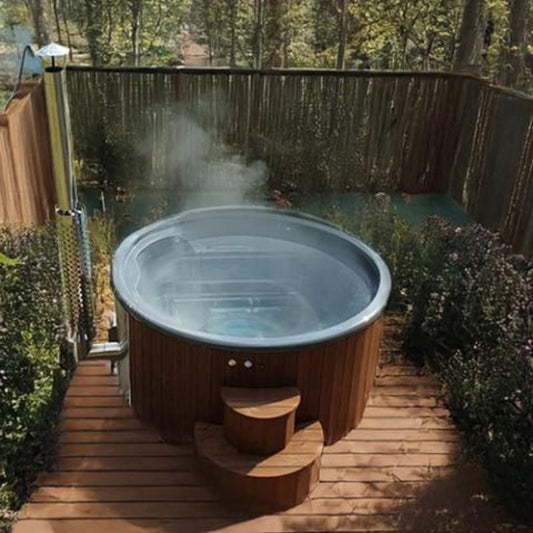
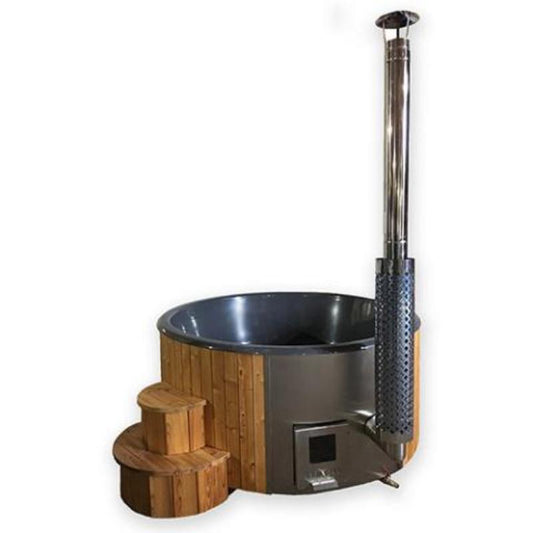
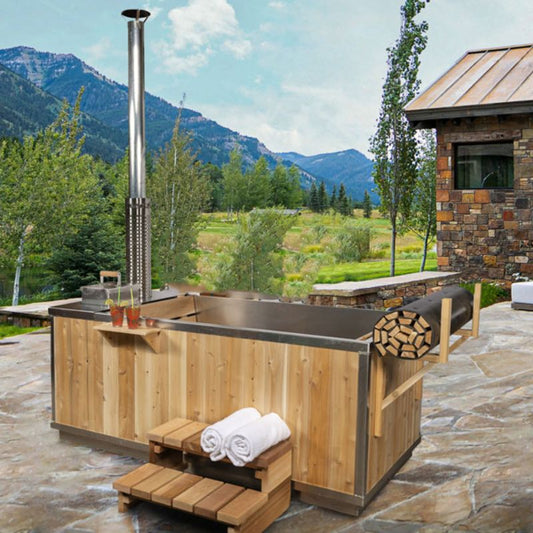
Wood-Fired Hot Tubs – Traditional, off-grid, and eco-friendly with natural wood heating that requires no electricity. These tubs warm quickly using a wood-burning stove, can be placed anywhere without electrical access, and deliver an authentic outdoor soaking experience. Ideal for cabins, remote properties, cottage retreats, or anyone seeking independence from utilities and connection with fire-tending rituals.
Electric hot tub models in this collection:
All electric hot tubs in this collection are manufactured by Luxury Spas, engineered for durability, comfort, and performance with powerful jet massage systems, ergonomic seating, and premium insulation for year-round enjoyment.
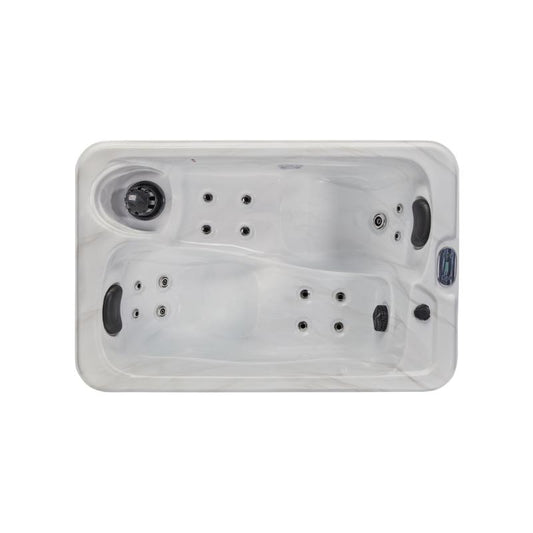
1-2 Person Electric Hot Tubs:
3-4 Person Electric Hot Tubs:
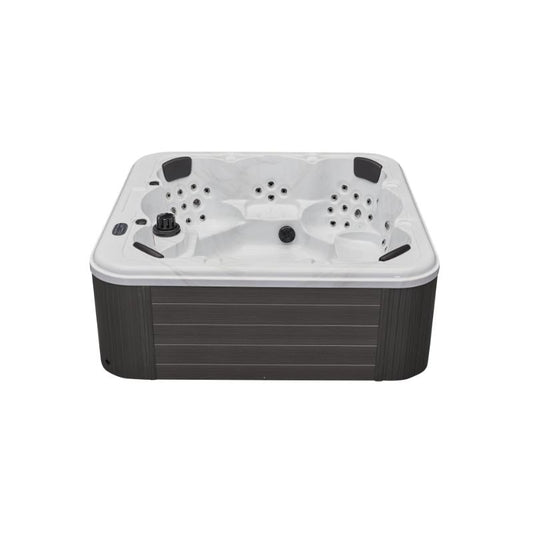
5-7 Person Electric Hot Tubs:
Wood-fired hot tub models in this collection:
SaunaLife Wood-Fired Hot Tubs:
Dundalk LeisureCraft Wood-Burning Hot Tubs:
Key features of electric hot tubs (Luxury Spas):
- Powerful jet massage systems – Multiple adjustable jets for targeted hydrotherapy and muscle relief
- Ergonomic seating – Contoured seats with lumbar support and varied depths for extended comfort
- Premium insulation – Full-foam insulation and insulated covers for energy-efficient year-round operation
- Plug-and-play or 240V options – Smaller models (1-3 person) operate on 110V; larger models use 240V for optimal performance
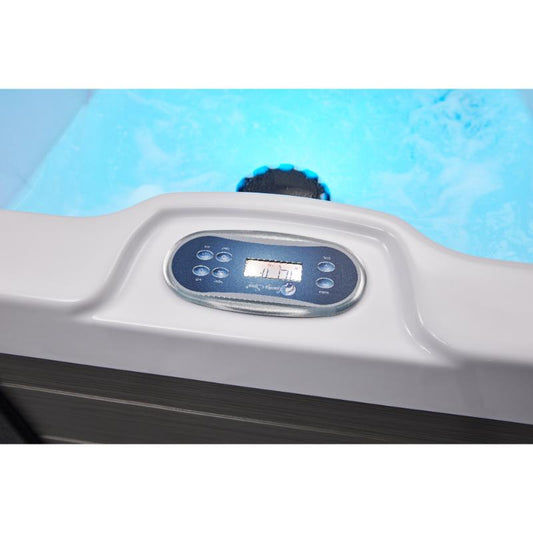
- Digital controls – Easy-to-use panels for temperature, jets, and lighting management
- LED lighting – Integrated lighting for ambiance and nighttime use
- Advanced filtration – Multi-stage filtration systems keep water clean between changes
- Durable construction – Weather-resistant shells and cabinets built for outdoor elements
- No plumbing required – Fill with garden hose, drain via built-in systems
Key features of wood-fired hot tubs:
- Off-grid operation – No electricity required; heat with natural wood fuel
- External wood stoves – Efficient heating systems positioned outside the tub for safety and space
- Large capacity – Typically 300-400 gallon capacity for multiple users
- Natural materials – Premium timber construction (Canadian cedar, hemlock) or fiberglass shells
- Rapid heating – Reaches soaking temperature in 2-4 hours depending on wood quality and outdoor temperature
- Eco-friendly – Uses renewable wood fuel instead of electricity or gas
- Authentic experience – Fire-tending ritual and natural heating create unique outdoor soaking atmosphere
- Portable – Can be positioned anywhere without electrical infrastructure
Choosing between electric and wood-fired:
Choose Electric Hot Tubs if you want:
- Consistent, precise temperature control (typically 100-104°F)
- Jet massage therapy and hydrotherapy features
- Minimal maintenance and automated filtration
- Year-round use with insulated, energy-efficient operation
- Plug-and-play convenience or simple 240V installation
- Integration with outdoor sauna for contrast therapy
Choose Wood-Fired Hot Tubs if you want:
- Off-grid capability without electrical requirements
- Traditional, authentic outdoor soaking experience
- Lower operating costs using renewable wood fuel
- Remote cabin or cottage installation flexibility
- Connection with fire-tending and natural heating rituals
- Eco-friendly heating without electricity consumption
Hot tub benefits and wellness applications:
Muscle relaxation and pain relief – Warm water (100-104°F) combined with jet massage relaxes tight muscles, reduces tension, and provides relief from chronic pain and soreness.
Improved circulation – Heat dilates blood vessels, increasing blood flow and oxygen delivery throughout the body, supporting cardiovascular health and recovery.
Stress reduction – Warm water immersion activates the parasympathetic nervous system, reducing cortisol levels and promoting deep relaxation and better sleep.
Post-workout recovery – Athletes use hot tubs to reduce delayed-onset muscle soreness, improve flexibility, and accelerate recovery between training sessions.
Contrast therapy – Alternating between hot tub soaking and cold plunge immersion (or sauna and cold plunge) creates powerful therapeutic effects: improved circulation, reduced inflammation, enhanced detoxification, and mental invigoration.
Electrical requirements:
Electric Hot Tubs: Smaller models (1-3 person) typically operate on standard 110V/15-20 AMP outlets with plug-and-play convenience. Larger models (4-7 person) generally require dedicated 240V/30-50 AMP circuits for optimal heater and jet performance. Consult product specifications and a licensed electrician before installation.
Wood-Fired Hot Tubs: No electrical requirements. Position anywhere with adequate clearance for wood stove chimney and safe fire operation.
Installation and placement:
Hot tubs require stable, level surfaces capable of supporting significant weight when filled with water and occupants. Recommended foundations include reinforced concrete pads (4-6 inches thick), composite decking rated for spa loads, or compacted gravel bases with paver stones.
Position hot tubs 10-15 feet from outdoor saunas for convenient contrast therapy access. Ensure adequate clearance for cover removal, equipment access, and safe entry/exit. Consider privacy, sun exposure, and proximity to electrical service (for electric models) when choosing location.
Maintenance requirements:
Electric Hot Tubs: Test and balance water chemistry weekly, clean filters every 2-4 weeks, drain and refill every 3-4 months depending on usage. Use quality sanitizers (chlorine, bromine, or saltwater systems) to maintain water clarity and hygiene. Luxury Spas models are fully insulated for year-round use—simply keep heater running and cover secured in winter.
Wood-Fired Hot Tubs: Change water after each use or every few days depending on usage frequency. Clean tub interior between uses. No filtration or chemical treatment required for single-use sessions. Maintain wood stove by removing ash and checking chimney clearances regularly.
Complete your outdoor wellness space:
Hot tubs pair perfectly with outdoor barrel saunas, cold plunges, and outdoor showers to create a comprehensive backyard wellness retreat. The combination of sauna heat, hot tub relaxation, and cold plunge invigoration delivers authentic Scandinavian contrast therapy that transforms your outdoor space into a personal spa.
Explore related collections:
→ Hot Tubs & Cold Plunges
→ Wood-Fired Hot Tubs
→ Cold Plunge Tubs
→ Outdoor Barrel & Cabin Saunas
→ Free-Standing Outdoor Showers
 Skip to content